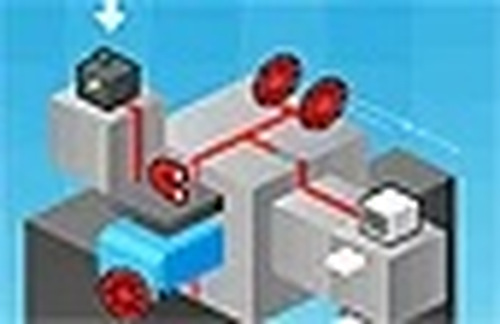
Electric Box Puzzle Game
Reviews
Electric Box offers a fresh take on puzzle games by combining logic with basic circuit design. Each level presents a new challenge that requires careful planning and experimentation. The game is easy to pick up but offers enough depth to keep you coming back. It is perfect for players who enjoy solving problems at their own pace. The lack of time pressure makes it a relaxing yet engaging experience.
About this game
Game Introduction
Electric Box is an engaging puzzle game that challenges players to build functional electrical circuits. Inspired by classic chain-reaction puzzle games, each level presents a unique problem where you must connect a power source to a target using various components. The game emphasizes logical thinking and creative problem-solving as you experiment with different arrangements. With its colorful graphics and intuitive design, Electric Box offers a rewarding experience for puzzle enthusiasts of all ages.
How to Play
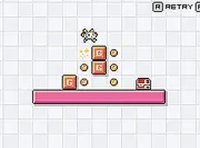
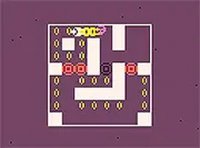
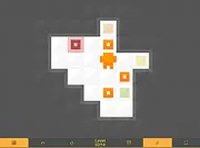
To play Electric Box, you start by examining the stage layout and the available items. Using drag-and-drop controls, you place components such as wires, batteries, and switches onto a grid to create a path for electricity. The goal is to successfully deliver power from the source to the target. After setting up your circuit, you activate the power source to test your design. If the electricity reaches the target, you complete the level. If not, you can adjust your components and try again. The game encourages trial-and-error learning and creative thinking.
Game Features
Electric Box features creative puzzle-solving with circuit-building mechanics. Each level introduces new components and obstacles, gradually increasing in difficulty. The game includes colorful graphics and a clean interface that is accessible for all ages. There are no time limits, allowing players to think at their own pace. The puzzles are designed to be family-friendly and provide a satisfying sense of accomplishment when a circuit works.
Tips for Success
To succeed in Electric Box, start by carefully examining the layout and available items before placing any components. Plan your circuit path step by step, and don't be afraid to experiment with different arrangements. If a setup doesn't work, try simplifying the path or using alternative components. Take your time—there's no rush. Learning from failed attempts is key to mastering the puzzles. Practice regularly to improve your logical thinking and problem-solving skills.