
Reviews
Cube Speedway 3D Racing delivers a solid arcade racing experience with its distinctive blocky visuals and tight handling. The tracks are well-designed, mixing straightaways with technical sections that reward careful driving. Multiplayer races feel competitive without being punishing, and the progression system gives clear goals. The game is easy to pick up but offers enough depth to keep players returning. It avoids unnecessary complexity, focusing instead on polished core mechanics. A recommended choice for casual racing fans.
Description
Track Design and Atmosphere
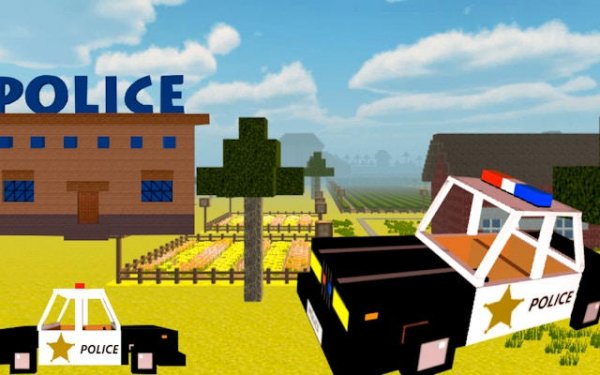
The circuits in Cube Speedway 3D Racing are built with a distinct blocky aesthetic that gives each environment a playful, toy-like feel. Courses wind through varied settings, from urban landscapes to abstract geometric spaces. The visual style reduces visual clutter, allowing drivers to focus on the road ahead. Each track includes a mix of straight sections and sharp curves that require careful throttle control. Obstacles appear at strategic points, forcing players to decide whether to brake or steer around them. The consistent art direction makes the game approachable while keeping the racing experience engaging.
Vehicle Handling and Control
Players guide their vehicle using straightforward directional commands. Acceleration and steering are responsive, but mastering the handling takes practice. The boxy shape of the cars affects how they grip the road, especially during high-speed turns. Timing is crucial when approaching jumps, as landing at the wrong angle can slow momentum. The control scheme is designed to be intuitive for newcomers while offering enough depth for experienced players to refine their technique. Smooth inputs lead to faster lap times, rewarding those who learn the nuances of each vehicle's behavior.
Competition Modes and Multiplayer
Races pit players against opponents from around the world in real-time matchups. The competitive format emphasizes finishing position rather than raw speed alone, encouraging strategic driving. Players can choose to focus on consistent performance or take calculated risks to gain an edge. The leaderboard tracks top times and overall standings, providing a clear goal for improvement. Some events may include special conditions, such as limited time or specific vehicle requirements, adding variety to the standard race format. The multiplayer component keeps the experience fresh by matching drivers of similar skill levels.
Progression and Skill Development
As players complete races, they unlock new tracks and vehicle designs. The progression system rewards consistent performance and encourages revisiting earlier circuits to improve times. Each vehicle offers slightly different handling characteristics, giving players reasons to experiment with different options. The game includes challenges that test specific skills, such as navigating tight corridors or maintaining speed through obstacle-heavy sections. These optional tasks provide extra goals beyond simple race wins, extending the game's replay value. Regular practice helps drivers learn track layouts and develop better reflexes over time.
Visual Style and Presentation
The blocky art direction sets this game apart from realistic racing simulators. Bright colors and clean geometric shapes create a cheerful atmosphere that suits casual play. Animations are smooth without being overly detailed, keeping the focus on the action. The interface uses simple icons and clear text, making it easy to navigate menus and select options. Sound effects provide feedback for acceleration, collisions, and race events without becoming distracting. The overall presentation supports the game's goal of delivering accessible, fast-paced entertainment without unnecessary complexity.









03 Comments
Sign in to comment
You must be logged in before posting a review or rating.
No account? Create one
No comments yet. Be the first to comment!